
Cockfighting: A Historical and Contemporary Exploration
The Origins of Cockfighting
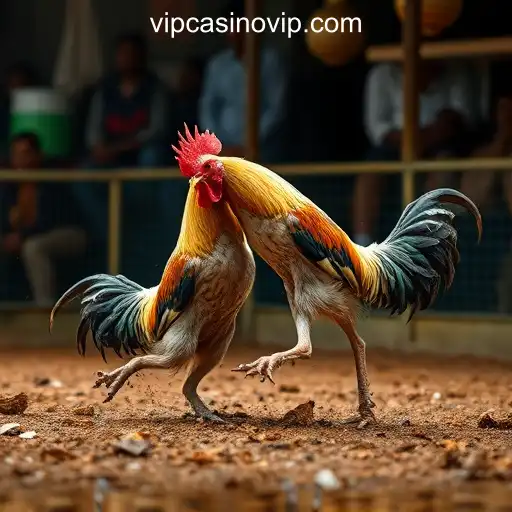
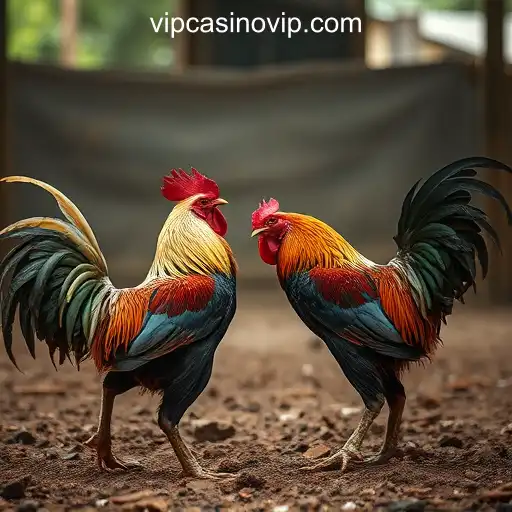
Cockfighting is an age-old blood sport that involves two roosters, specially bred for aggression, fighting to the death or the submission of one opponent. Dating back over 6,000 years, cockfighting has roots in Asia, where it was often associated with gambling and entertainment. Historical accounts suggest that cockfighting was popular in various ancient civilizations such as Greece, Rome, and Persia, where it was not only seen as a form of amusement but also as a demonstration of bravery and skill.
The Cultural Significance
Throughout history, cockfighting has held significant cultural importance. In many societies, it was considered a prestigious activity often associated with the upper echelons of society. In the Philippines, for example, cockfighting is known as "sabong" and is deeply ingrained in the local culture. It is seen as more than just a sport; it's a social occasion where people from all walks of life gather to participate in the excitement.
Legal Status Worldwide
The legality of cockfighting varies significantly around the world. In some countries, it is completely outlawed, while in others it is regulated or even encouraged under specific cultural contexts. Countries like the Philippines and certain Caribbean nations have legalized cockfighting, whereas many Western countries, including the United States and the UK, have made the practice illegal due to animal cruelty concerns. Despite legal restrictions, underground cockfighting rings continue to operate, often associated with illegal gambling and organized crime.
The Ethics of Cockfighting
One of the most contentious issues surrounding cockfighting is the ethical implications. Opponents argue that the sport is inhumane, highlighting the cruelty involved in forcing animals to fight for human entertainment. This viewpoint has gained traction globally, with animal rights organizations campaigning for stricter laws and enhanced enforcement against the practice. Advocates in cultures where cockfighting is legal counter these claims by emphasizing cultural tradition and economic impact.
The Economic Dimension
Cockfighting also has significant economic implications, particularly in regions where it is legalized and regulated. In these areas, cockfighting is a major contributor to local economies, providing jobs for breeders, handlers, and event organizers. In the Philippines, the sport generates millions of dollars annually, with organized events drawing large crowds and creating opportunities for local businesses. The economic benefits are often cited by proponents as a reason to legalize and regulate the sport, despite the ethical controversies.
Cockfighting and Gambling
A key component of cockfighting that cannot be overlooked is the gambling aspect. The sport has historically been linked to betting, adding another layer of excitement for participants. Bettors can place wagers on individual matches or longer tournaments, with significant sums of money changing hands. Modern platforms have even brought cockfighting into the digital realm, where enthusiasts can watch and bet online, raising new legal and ethical questions. This shift has led to a blending of traditional cockfighting with online gaming platforms, reminiscent of CasinoVIP.com Oficial Slots Brasil #1, offering a new way for fans to engage with the sport.
The Future of Cockfighting
The future of cockfighting is uncertain, marked by a conflict between tradition and modernity. As global attitudes toward animal rights continue to evolve, pressure mounts on countries that still allow the practice. Advances in virtual reality and online gaming also present an alternative path for enthusiasts, transforming bets and competition into simulated environments. These technological innovations may provide a pathway for cockfighting that reconciles traditional cultural practices with contemporary ethical standards.
Cockfighting in Popular Culture
Cockfighting has left an indelible mark on popular culture, often depicted in literature, film, and art as a symbol of raw power and primal struggle. These portrayals frequently examine the duality of human nature, juxtaposing the allure of competition with moral quandaries. The sport has inspired countless narratives, reflecting broader societal attitudes toward violence, morality, and tradition.
Cockfighting Mechanics
The mechanics of a cockfight involve intricate strategies from the breeders and handlers who raise these gamecocks. Birds are trained rigorously, outfitted with razor-sharp spurs to increase lethality in combat. Matches are generally fast-paced and intense, showcasing the agility and fighting prowess of the roosters. Each encounter is a testament to the skills of their trainers and the genetic lineage of the birds.
Proponents and Opponents
While opponents focus on animal welfare, proponents of cockfighting in cultures where it is accepted argue for its preservation as a traditional practice steeped in history. They assert that the sport is an expression of identity and community, offering an economic boon and social cohesion. This dichotomy underscores the persistent debate over cockfighting's place in contemporary society, resonating with broader discussions about cultural preservation versus ethical progress.